September Skies — Northwest Scotland Edition
Northwest Highlands Observatory
By Mark Washer FRAS
September is one of the great turning points in the astronomical year. The bright nights of midsummer are now behind us, darkness arrives noticeably earlier each evening, and the magnificent autumn sky begins to take centre stage over Northwest Scotland. After the extraordinary eclipses and Perseid meteor shower of August, September offers a gentler but no less fascinating month beneath the stars. We have our darkest skies around New Moon, a rare daytime occultation of Venus, the autumn equinox, the Harvest Moon, and Neptune reaching its best position of the entire year. The Milky Way remains prominent, the Andromeda Galaxy climbs higher into the night and Saturn becomes an increasingly impressive telescope target, but visible to the naked eye.
For stargazers, September is when the observing season truly begins.
The Darkest Skies — 8–14 September
The period from approximately 8–14 September offers the darkest skies of the month, centred around New Moon on 11 September. With very little moonlight interfering with the night sky, this is the perfect opportunity to seek out the Milky Way, faint star clusters, nebulae and distant galaxies. From a genuinely dark location in Northwest Scotland, give your eyes at least 20 minutes to adapt to the darkness and look for the great band of the Milky Way crossing the sky through Cygnus and Cassiopeia.
These moonless September nights can be among the most rewarding observing nights of the entire year.
Moon Phases
- Last Quarter: 4 September
- New Moon: 11 September 04:27 BST
- First Quarter: 18 September
- Full Harvest Moon: 26 September
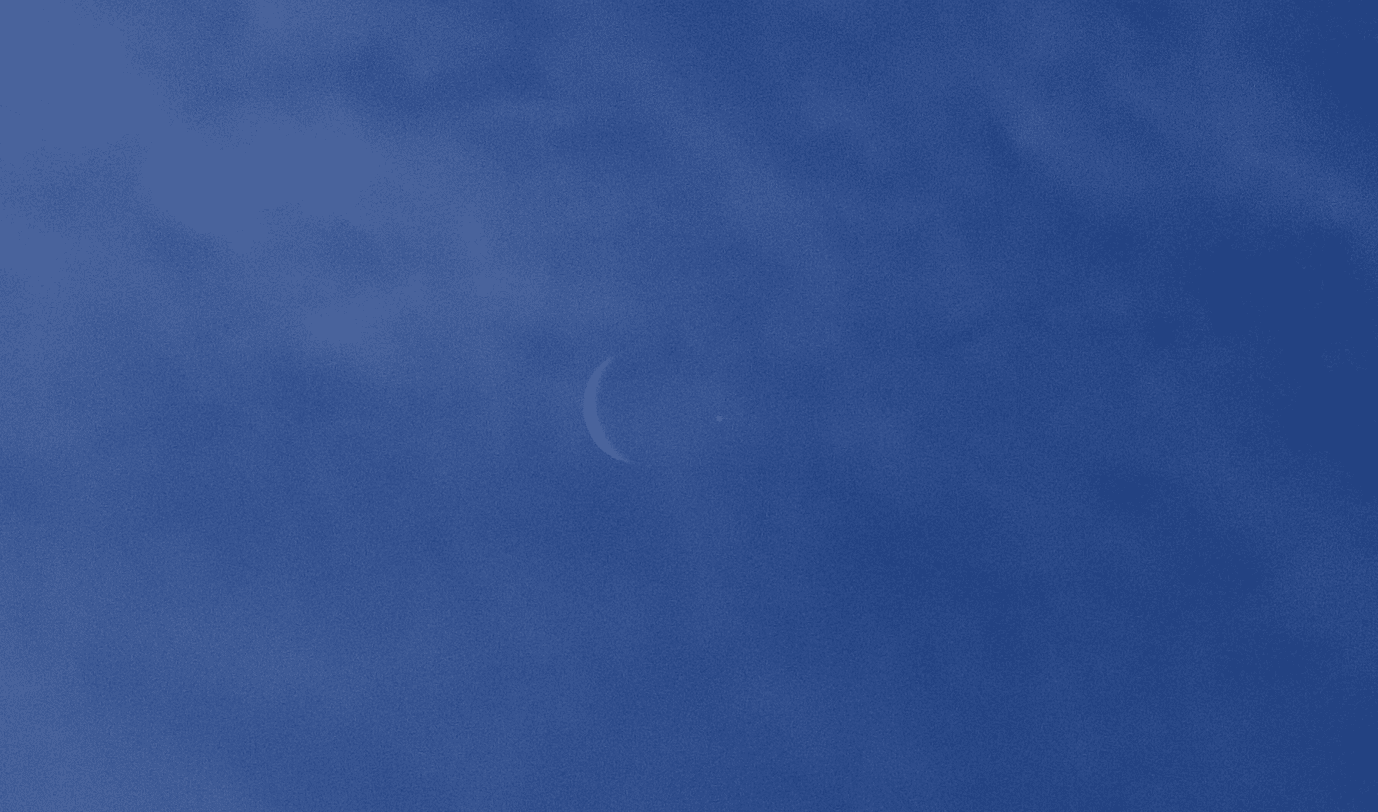
The Moon Occults Venus — 14 September. One of September’s most unusual astronomical events occurs during daylight on Monday 14 September, when the crescent Moon passes directly in front of Venus. From Northwest Scotland, the occultation takes place approximately between 10:30 am and 11:30 am BST, although the exact contact times vary with location. This is particularly fascinating because it happens in broad daylight. Venus is bright enough to be detected during the daytime, and the Moon provides a convenient marker for locating it. With clear skies, the disappearance and subsequent reappearance of Venus should be observable using binoculars, and sometimes with the naked eye.
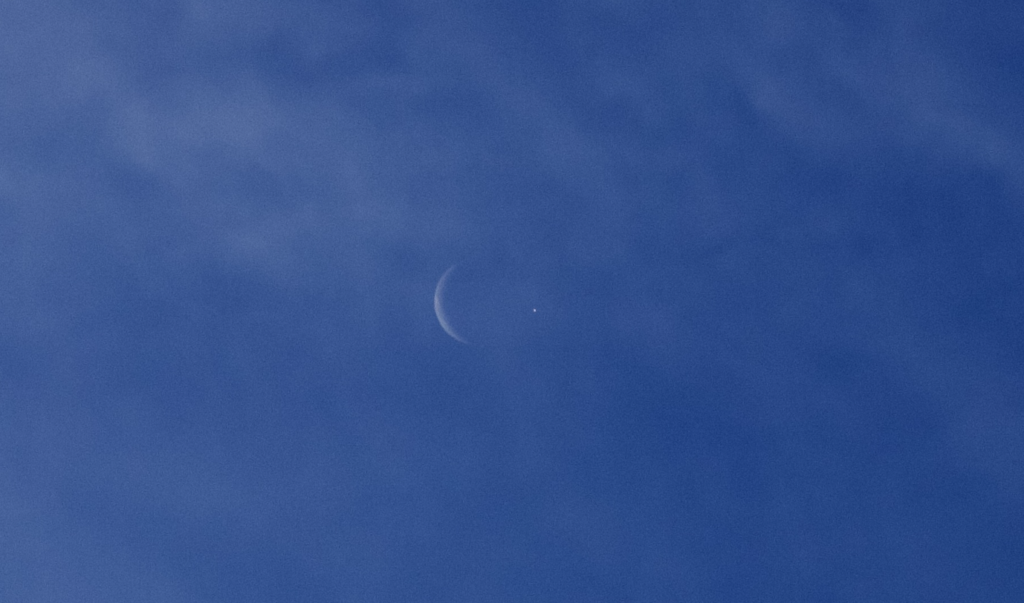
Important: Because the Sun is above the horizon, take great care when using binoculars or telescopes. Never sweep the sky close to the Sun with unfiltered optical equipment, and make absolutely certain that the Sun cannot accidentally enter the field of view.
It promises to be one of September’s more unusual observing challenges.
The Autumn Equinox — 23 September. At 01:05 BST on Wednesday 23 September, we reach the autumnal equinox. At the equinox, neither of Earth’s hemispheres is tilted significantly towards or away from the Sun, and day and night are approximately equal in length. From this point onwards, the nights become longer than the days as the Northern Hemisphere moves steadily towards winter.
For astronomers in Northwest Scotland, this is an important milestone. Every passing week now brings more hours of darkness and increasingly favourable conditions for observing the night sky.
Saturday 26 September brings two astronomical events on the same day. The Full Moon at 17:49 BST is this year’s Harvest Moon—the traditional name given to the Full Moon occurring closest to the autumn equinox. The Harvest Moon has long been associated with the changing agricultural season. Its bright evening light historically allowed farmers to continue harvesting after sunset. In Northwest Scotland, a low autumn Full Moon rising above the mountains or reflecting across a calm loch can be an extraordinary sight. But while the Moon dominates one part of the sky, an altogether more distant world reaches a special point in its orbit.
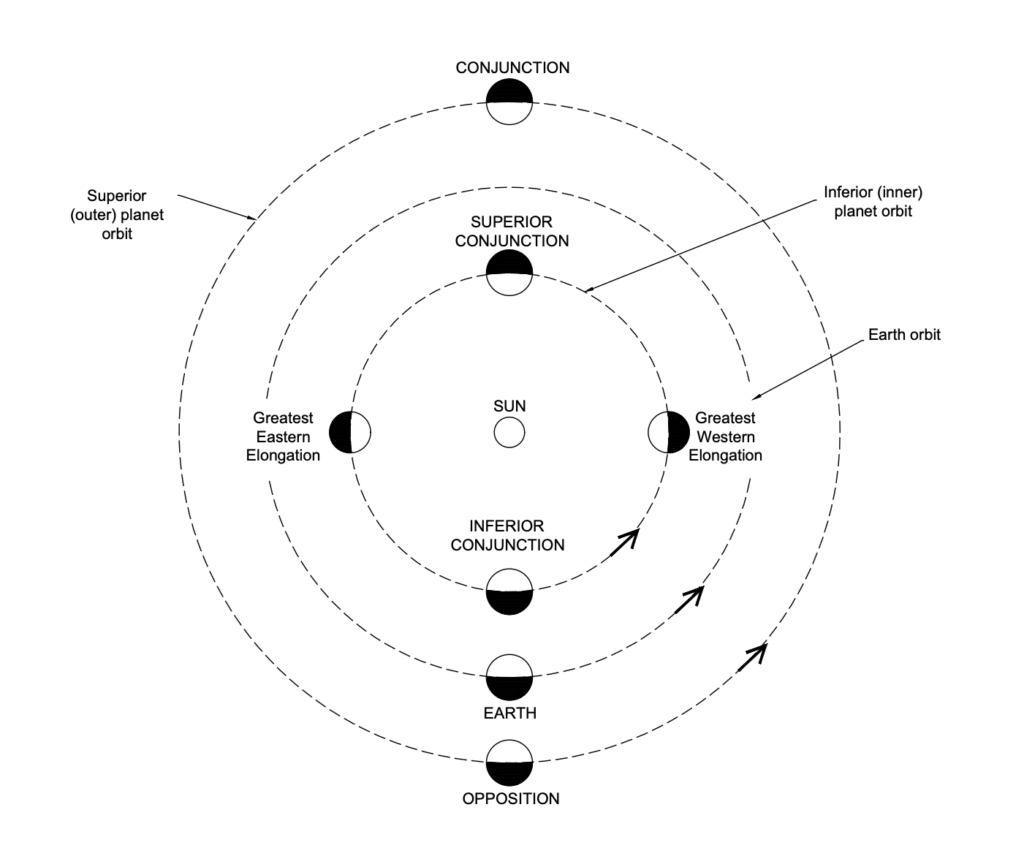
On the same date, Neptune reaches opposition (see diagram). Earth lies approximately between Neptune and the Sun, meaning the distant planet is at its closest and brightest for the year and remains visible for much of the night. At around magnitude +7.8, Neptune is too faint to see with the naked eye, but it is within reach of binoculars from a dark location if you know exactly where to look. A telescope makes identification considerably easier. Don’t expect something resembling the photographs from spacecraft. Through binoculars, Neptune will look like a very faint star. Make yourself a list of the solar system and tick each planet off as you see it, a simple app such as Stellarium can help you locate it. Remember what you’re looking at: a world roughly 4.3 billion kilometres away.
Finding that tiny point of light among the stars can be surprisingly rewarding.
Those prepared to stay up very late—or rise early—can also find Jupiter and Mars. Jupiter shines brightly in the morning sky and is particularly easy to recognise. Even binoculars can reveal its four great Galilean moons, while a telescope shows the cloud belts stretching across this enormous planet. Mars rises around midnight at the beginning of September and can be identified by its distinctive warm orange colour. Both planets become increasingly prominent as we move towards winter. More to tick off your list!
Download Stellarium or other similar app, or even get yourself a copy of the Cambridge Star Atlas, for those who prefer a physical paper option! Couple either with your naked eye or binoculars and enjoy the Northwest Highlands Dark Skies, and pause to think that most of the planet cannot enjoy these sights because of light pollution. This is why over the last two years we have been collecting data and preparing an application to Dark Sky International to protect these skies from further light pollution. Stay tuned to find out more and get involved in the coming months…..
For now, enjoy the changing season, find somewhere dark, allow your eyes to adjust—and look up.
Leave a Reply