A growing archive of our observations from the Northwest Highlands, captured at our observatory using a William Optics refractor and an astronomical imaging camera. Each entry includes details on how the image was taken, along with information about the object itself, its discovery, and what makes it so interesting.
-
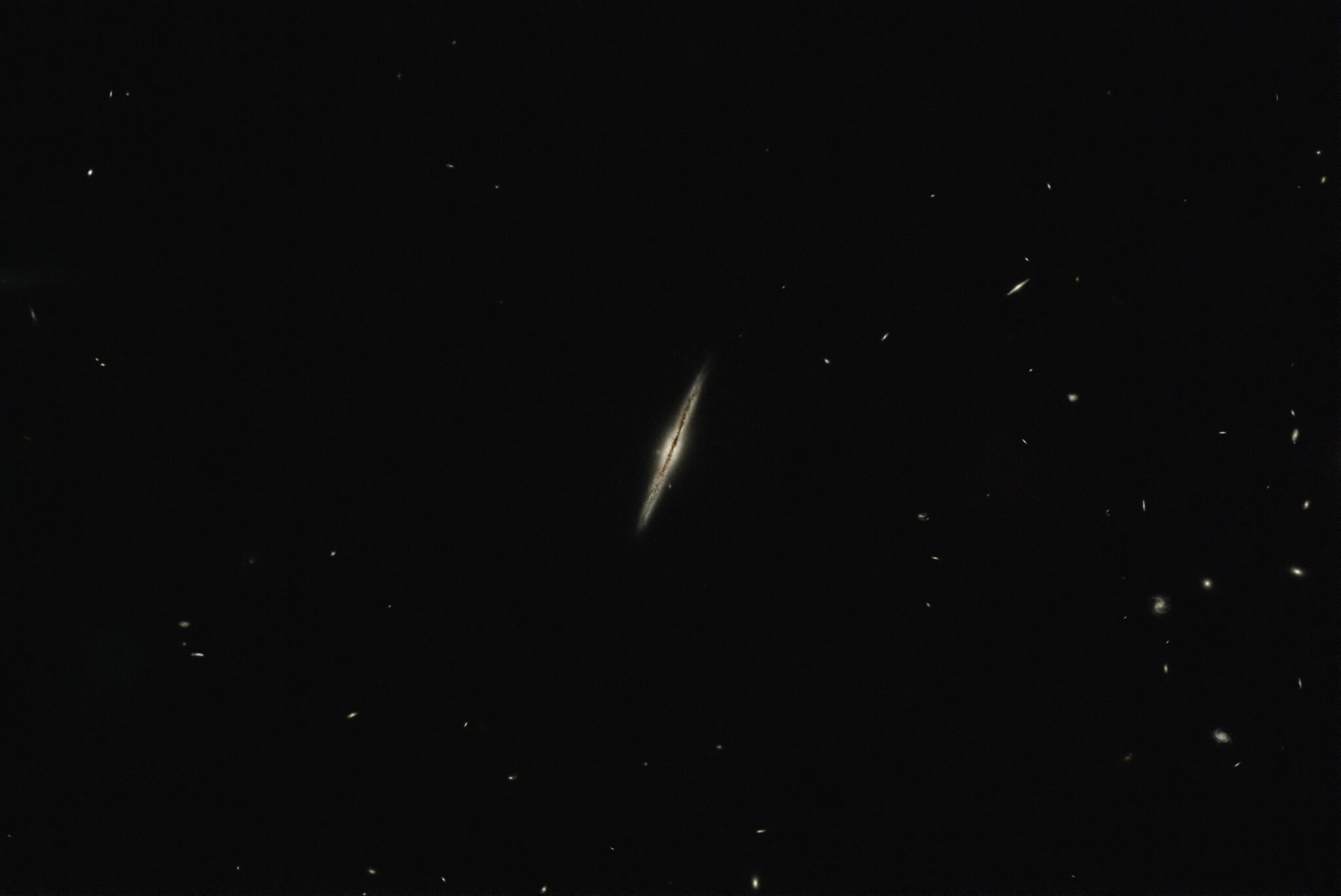
NGC 891
Last night, I managed to capture one of my favourite edge-on galaxies from the observatory here on the Stoer Peninsula: NGC 891, sometimes called the Silver Silver Galaxy. With 50 exposures at 120 seconds each (that’s a total of 100 minutes of data), I’m really pleased with how this one turned out. What is…
-
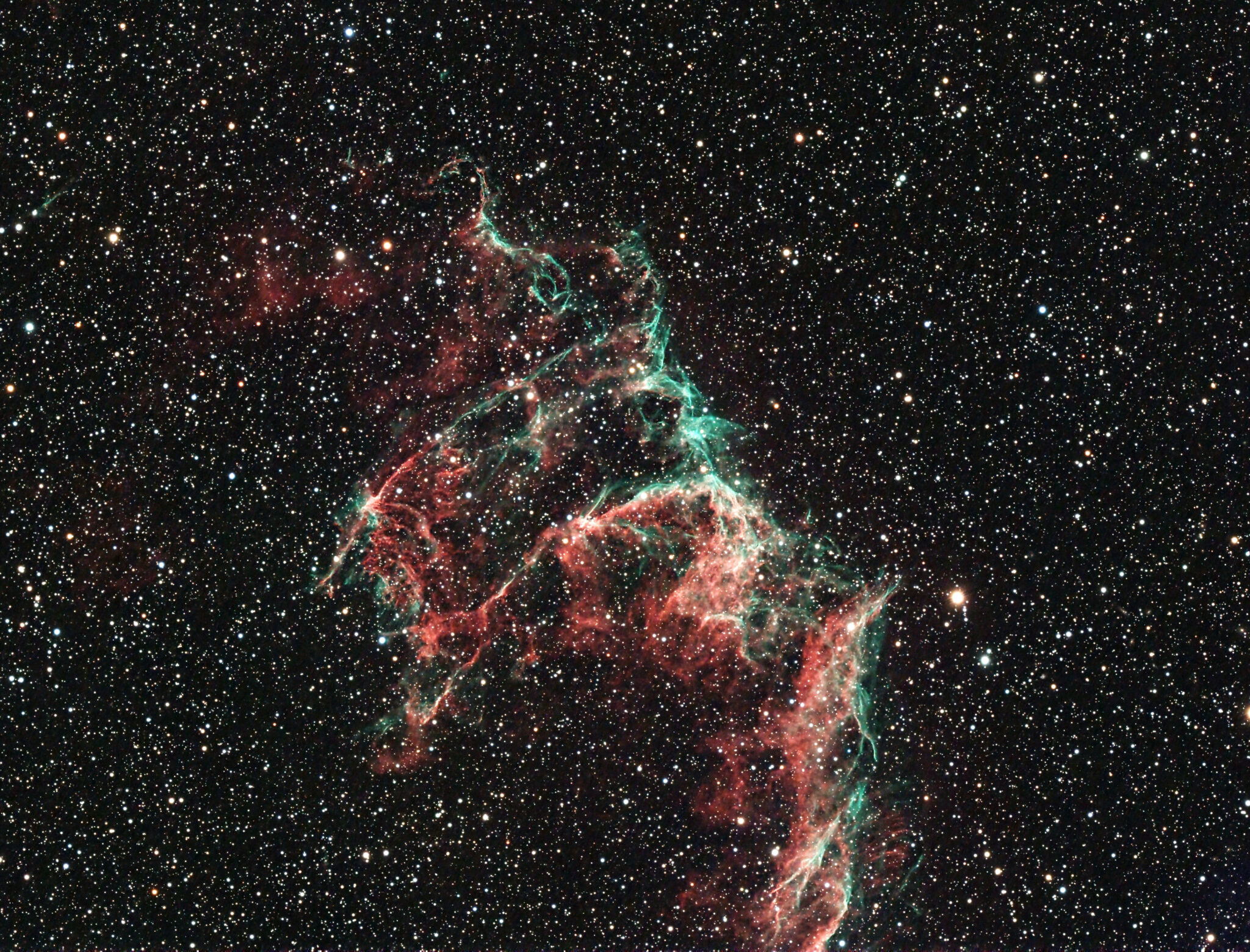
SH2-103
Last night from my observatory here on the Stoer Peninsula, I captured something that’s been on my imaging list for months: SH2-103, a lesser-known emission nebula in Cygnus. After 20 exposures of 120 seconds each with my William Optics FLT132 and ZWO ASI2600MC, this faint cloud of ionised hydrogen finally revealed itself. What is…
-
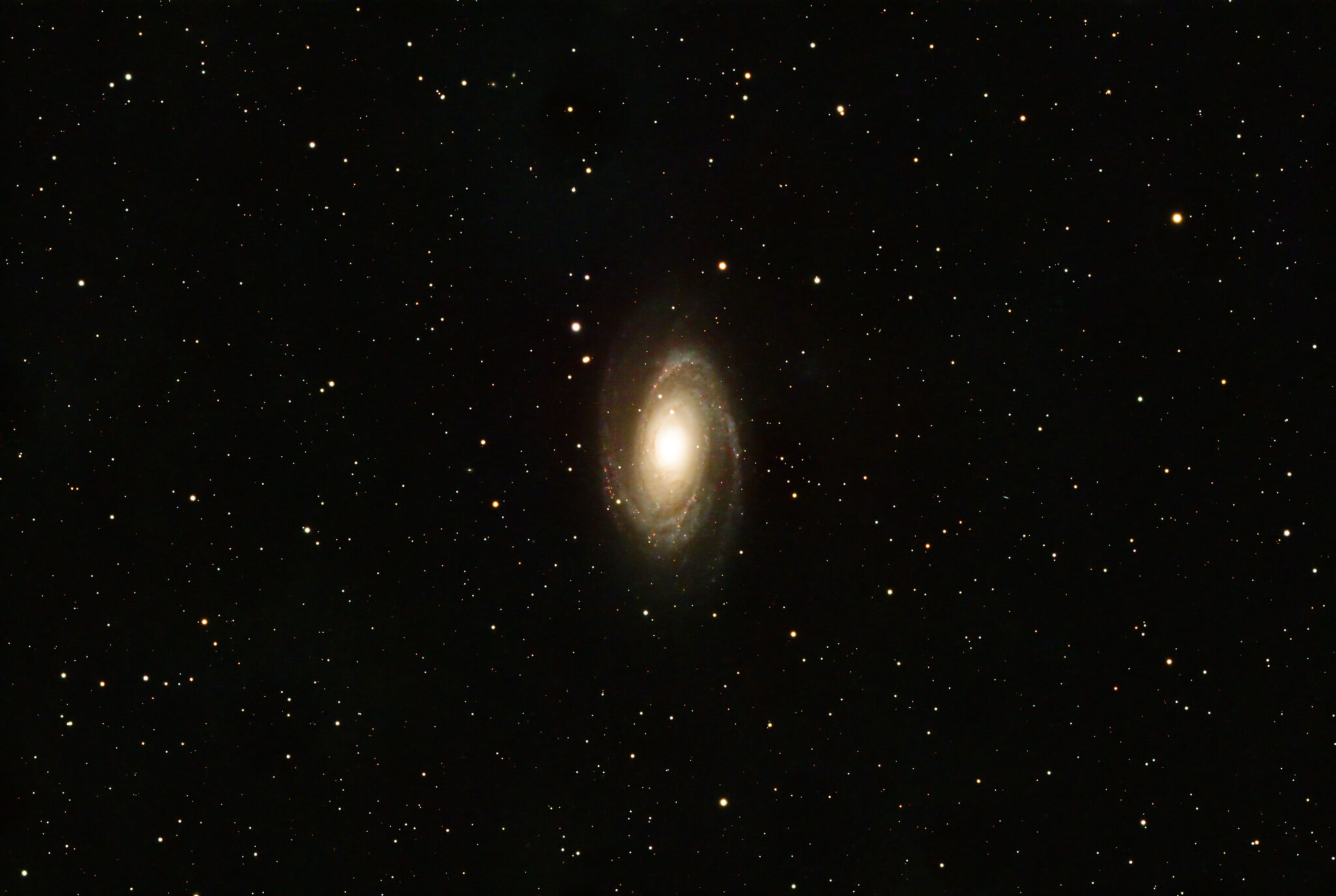
M81 Bode’s galaxy
Recently I pointed my William Optics FLT132 towards one of the northern sky’s most rewarding targets: M81, better known as Bode’s Galaxy. After capturing 26 frames at 120 seconds each with the ZWO ASI2600MC camera—just over 52 minutes of total exposure time—I’m pleased to share the results here. What is M81? M81 is a…
-
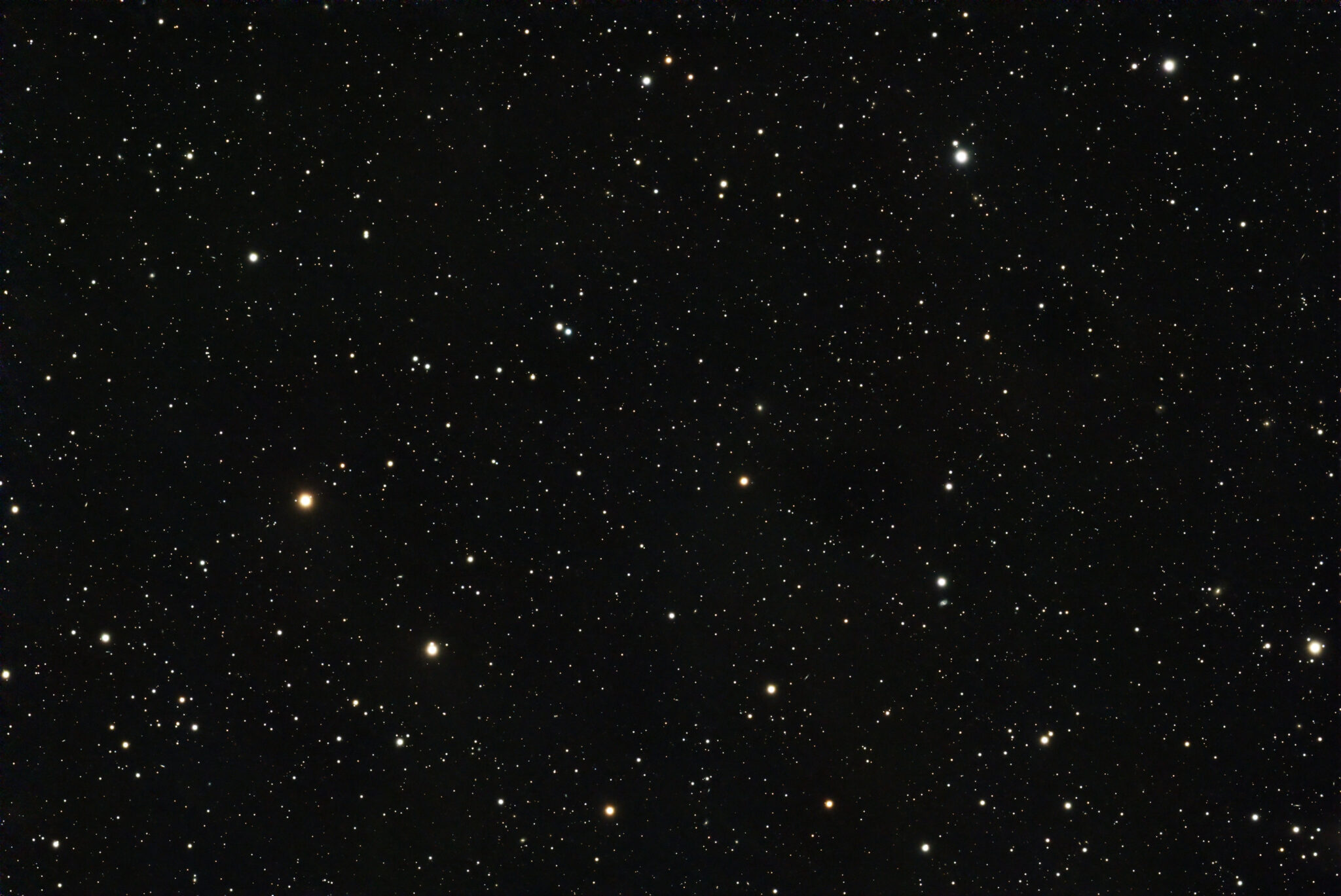
T Corona Borealis
Here in the northwest Highlands, we’ve been keeping a close watch on something extraordinary: T Corona Borealis, a star system that’s been keeping astronomers on their toes for over a year now. With several thousand images captured through our William Optics FLT132 and ZWO ASI2600MC camera, we’ve been documenting what should have been one…
-
The Leo Triplet
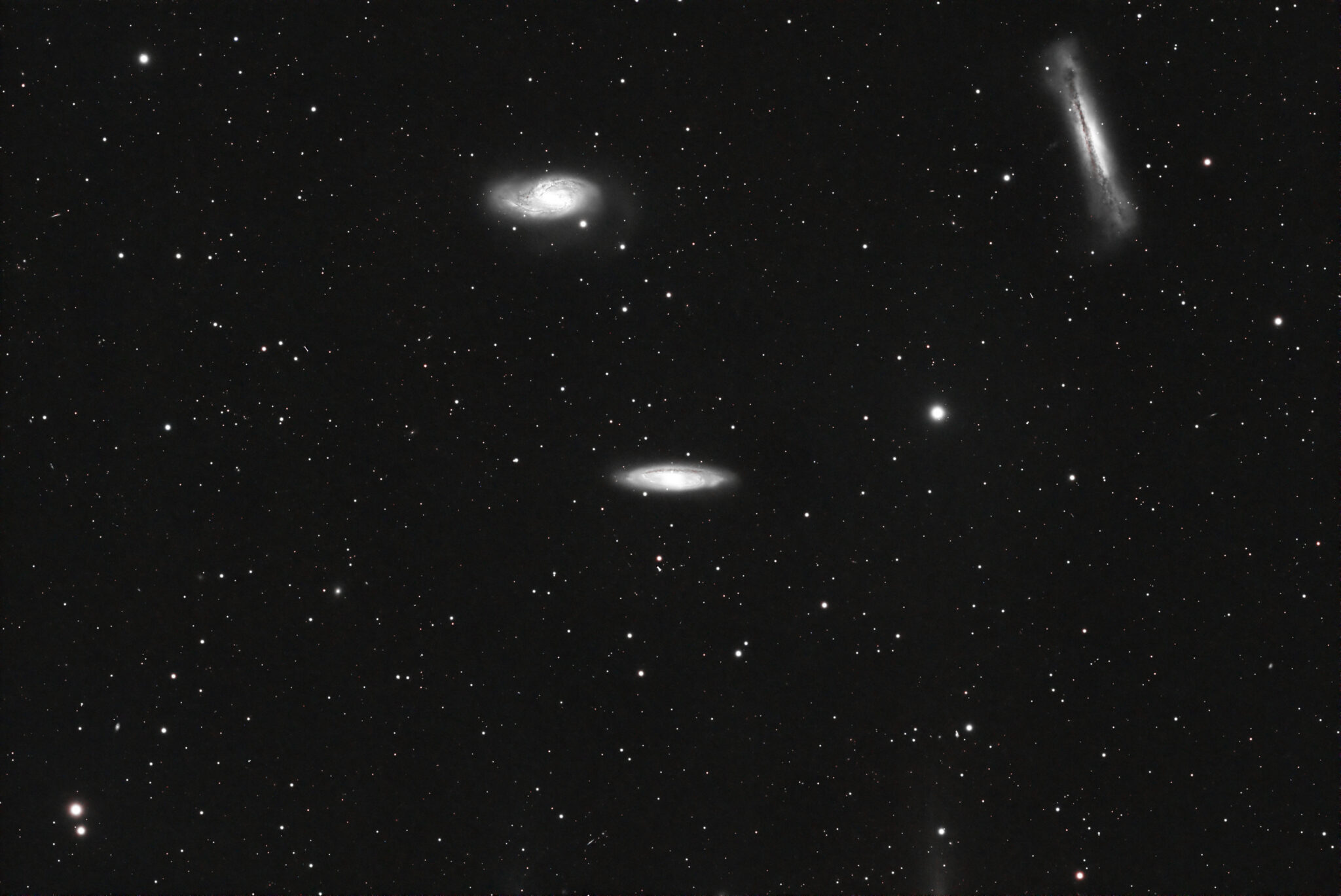
Last night, while reviewing some images I captured earlier this year of the Leo Triplet, I made an unexpected discovery. Tucked away among the spiral galaxies was a small, moving dot—asteroid 173 Ino. Twenty 120-second exposures with my William Optics FLT132 and ZWO ASI2600MC had inadvertently captured this main belt asteroid as it drifted…
-
Christmas Tree Nebula
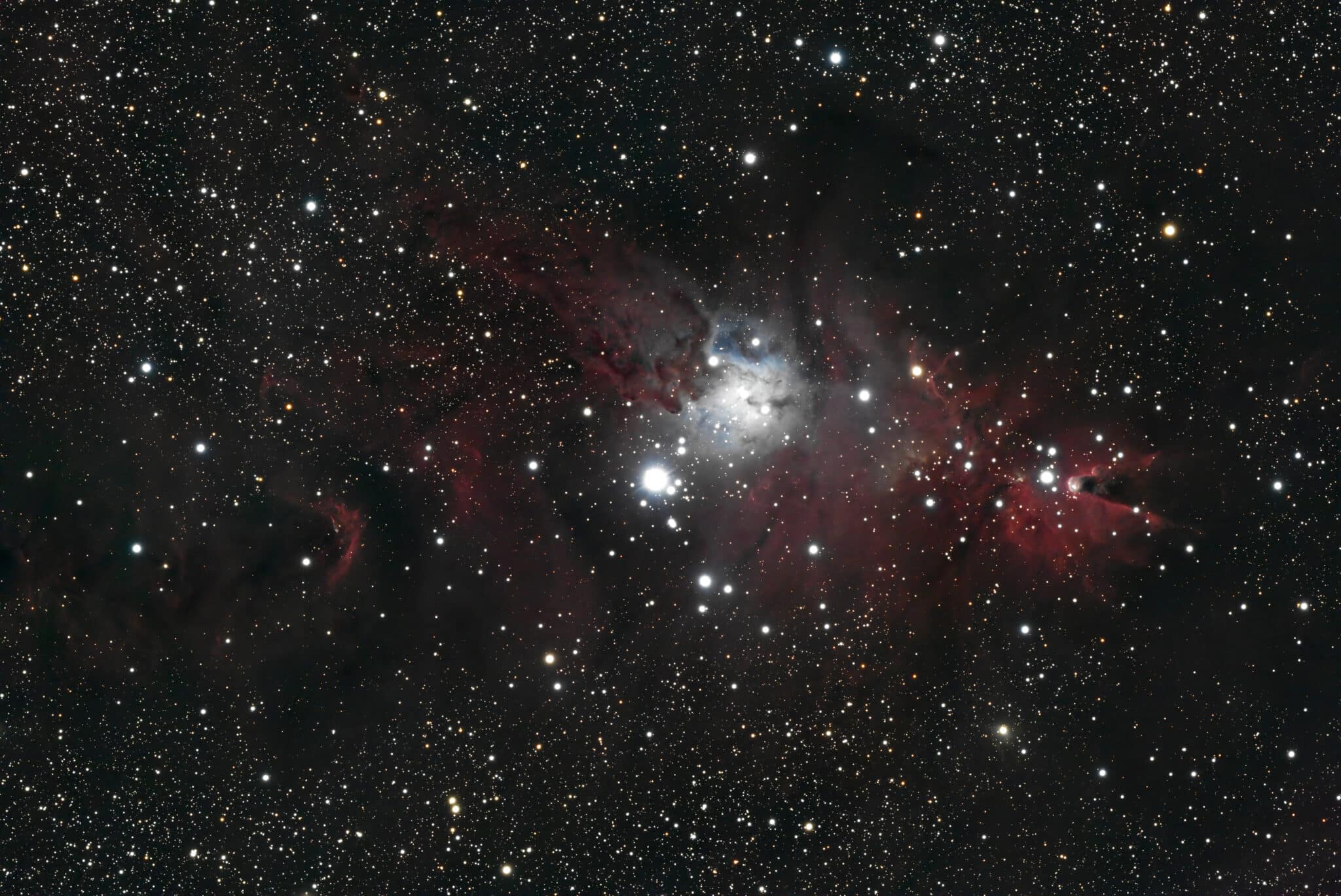
Last night, I reprocessed one of my favourite winter targets from earlier this year – NGC 2264, better known as the Christmas Tree Cluster and Cone Nebula complex. This stellar nursery in the constellation Monoceros never fails to deliver spectacular detail, and after spending some time back in PixInsight with the data, I’m pleased…
-
The Pleiades Star Cluster (M45)
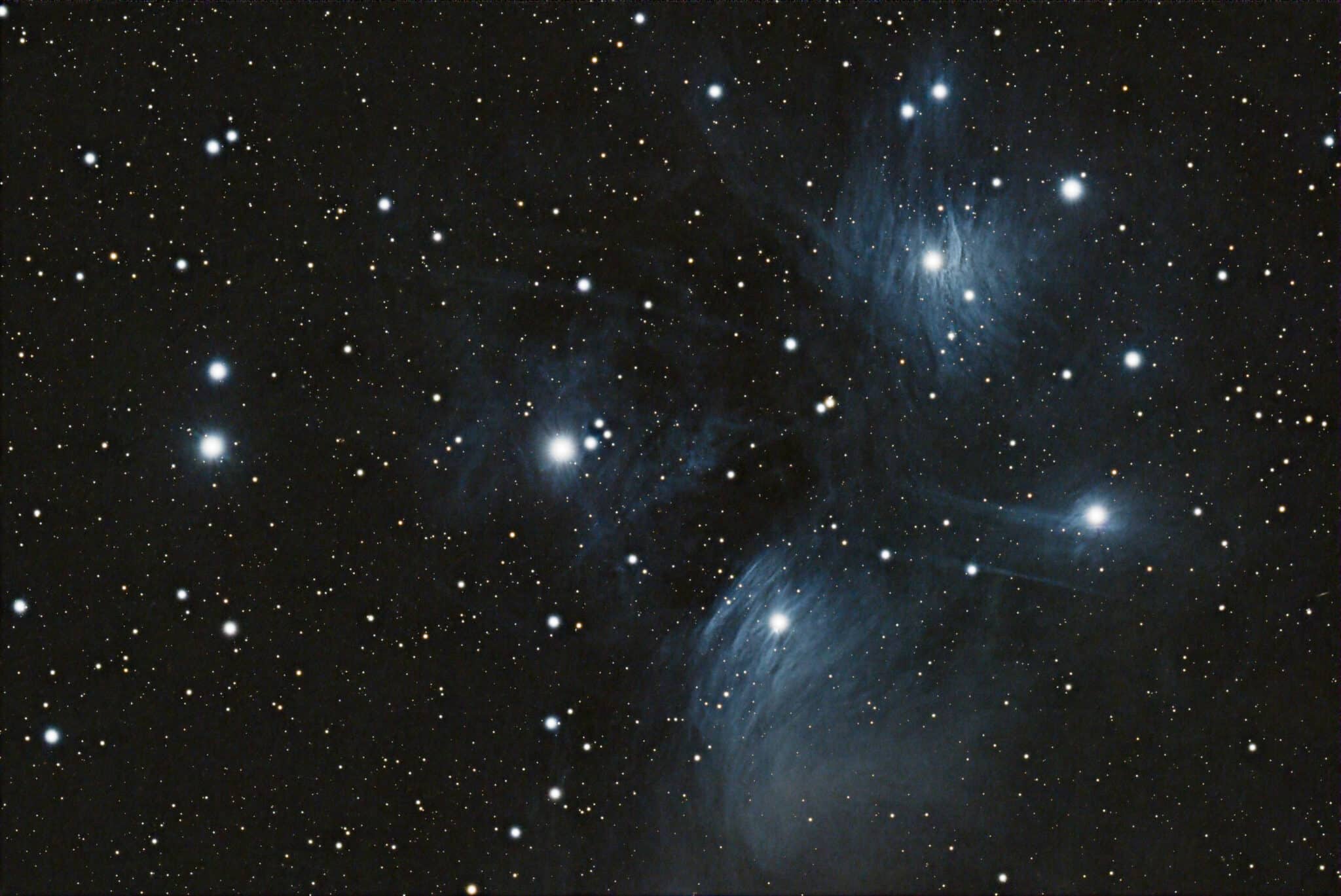
Here’s a recent capture of one of the most recognizable deep-sky objects visible from the northern hemisphere: the Pleiades star cluster, also known as M45 or the Seven Sisters. This stunning open cluster has been captivating observers for millennia, and for good reason. Let me share what makes this celestial gem so compelling, along…
-
SH2-142 Wizard Nebula
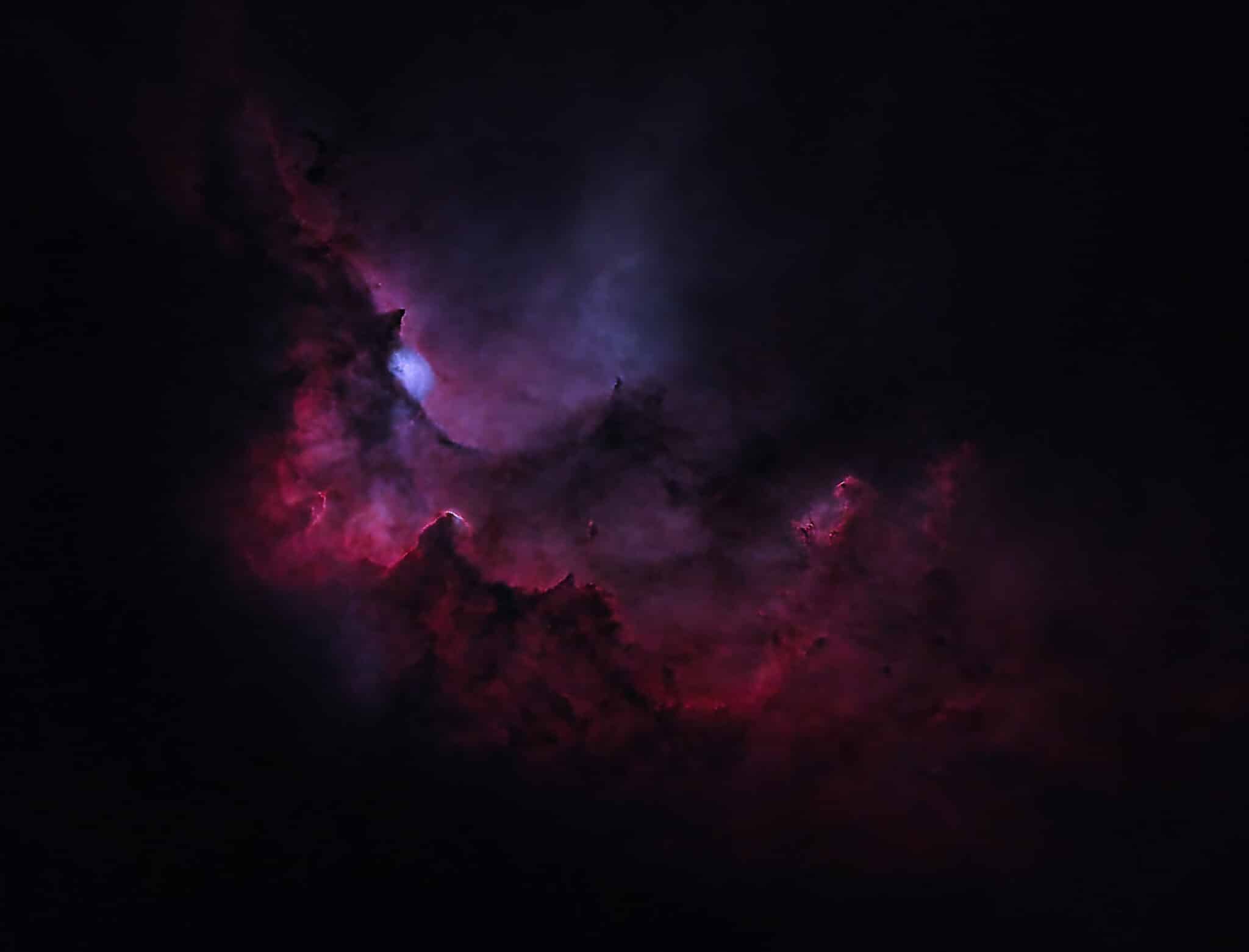
Halloween night brought clear skies to the Stoer Peninsula – a rare gift in the northwest Highlands. While most were handing out sweets, I was capturing something far more ancient: the Wizard Nebula, officially catalogued as SH2-142 and NGC 7380. What Is the Wizard Nebula? The Wizard Nebula is an emission nebula located in…
-
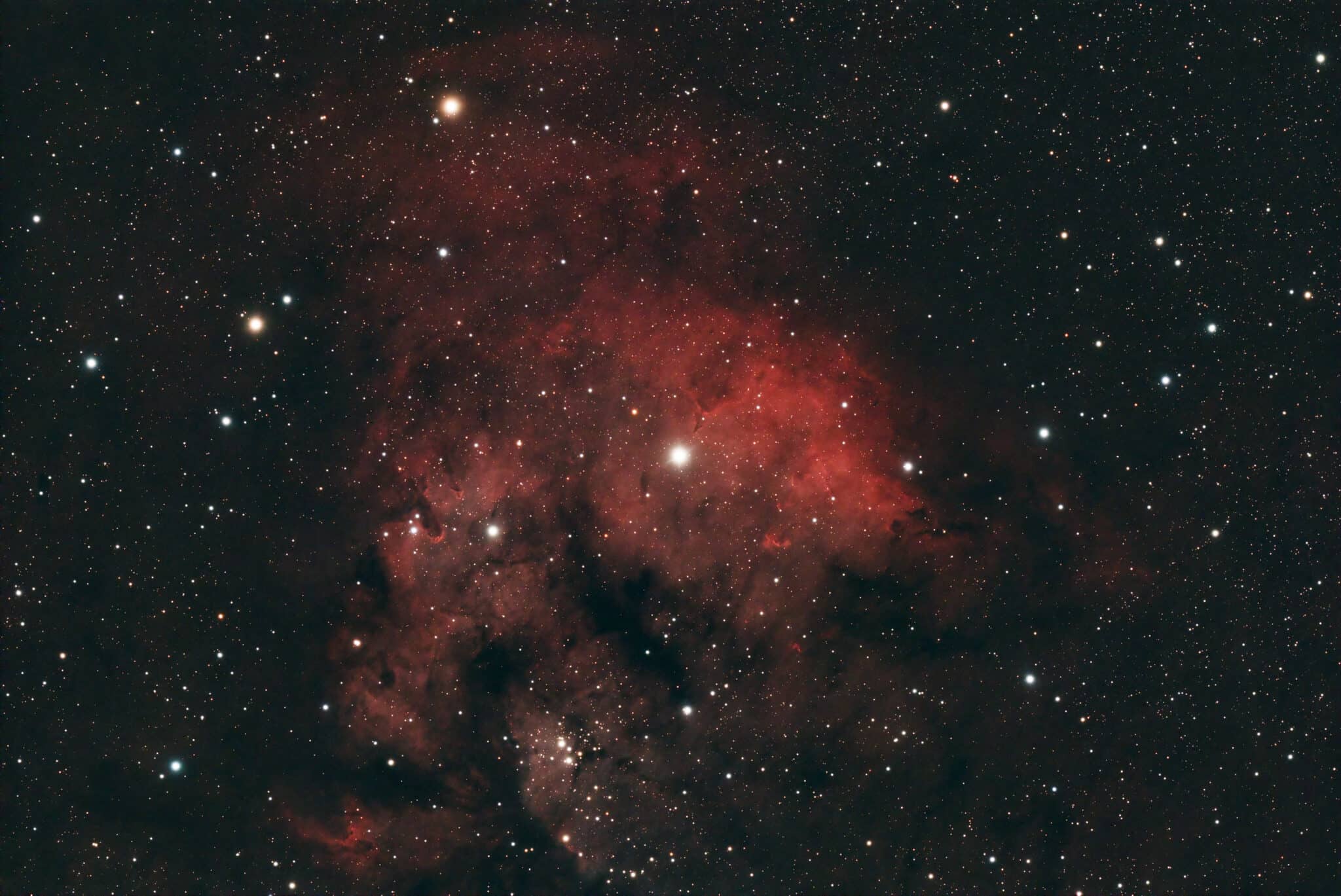
SH2-171 – Hydrogen Alpha Emission nebula
Last October, with Halloween approaching, I thought it fitting to capture something a bit whimsical: SH2-171, better known as the Teddy Bear Nebula, nestled within the larger NGC 7822 emission nebula complex in Cepheus. What is the Teddy Bear Nebula? SH2-171 is part of NGC 7822, a vast star-forming region located approximately 3,000 light-years…
-
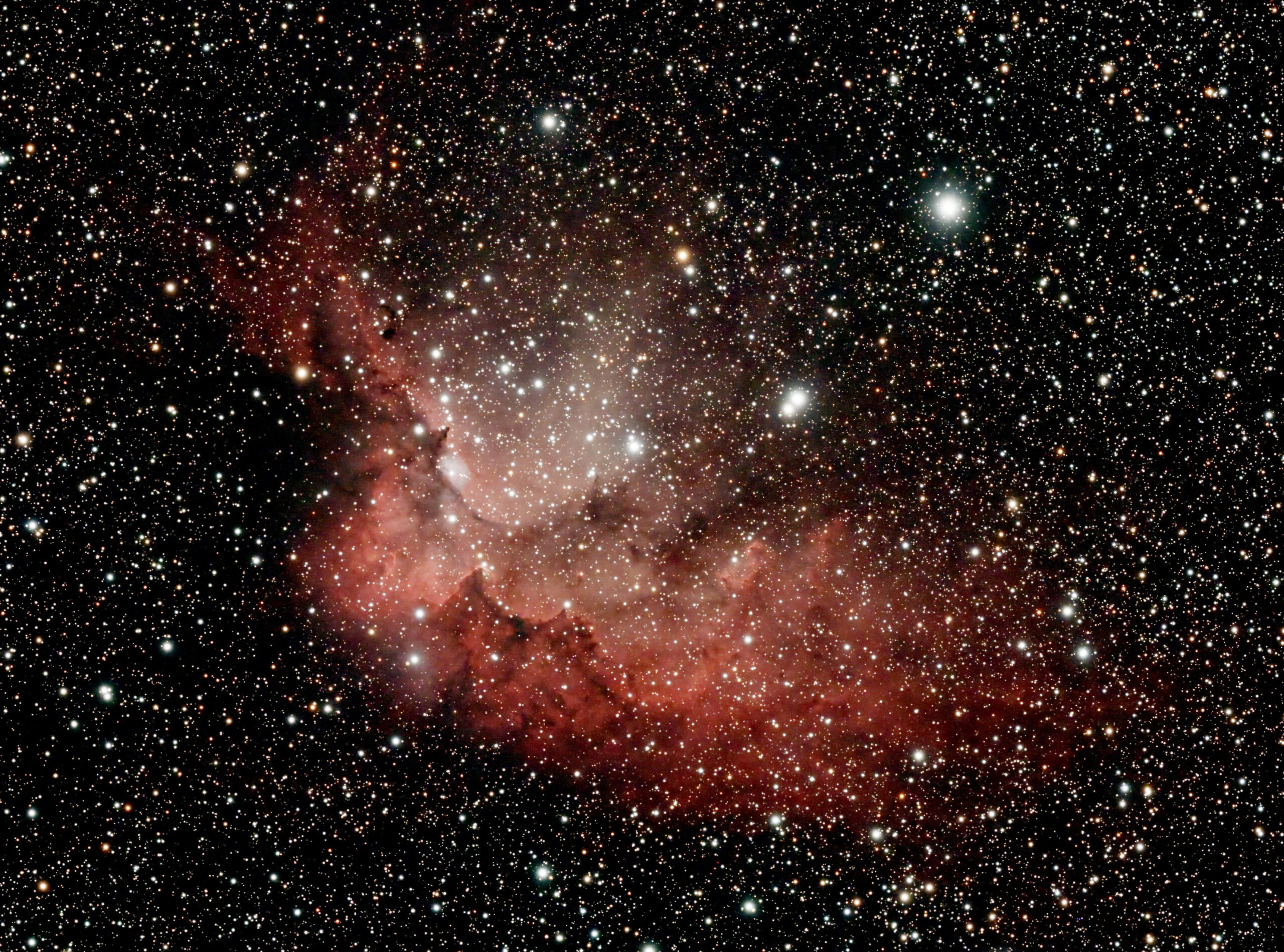
The Wizard Nebula (SH2-142) NGC 7380
Last night, the skies above Stoer blessed us with something truly magical. After weeks of cloud cover, we finally had a crystal-clear window to capture one of the most aptly-named deep sky objects visible from our observatory: The Wizard Nebula (SH2-142). When we first saw it materializing on our screen during capture, we honestly…