Northwest Scotland Edition
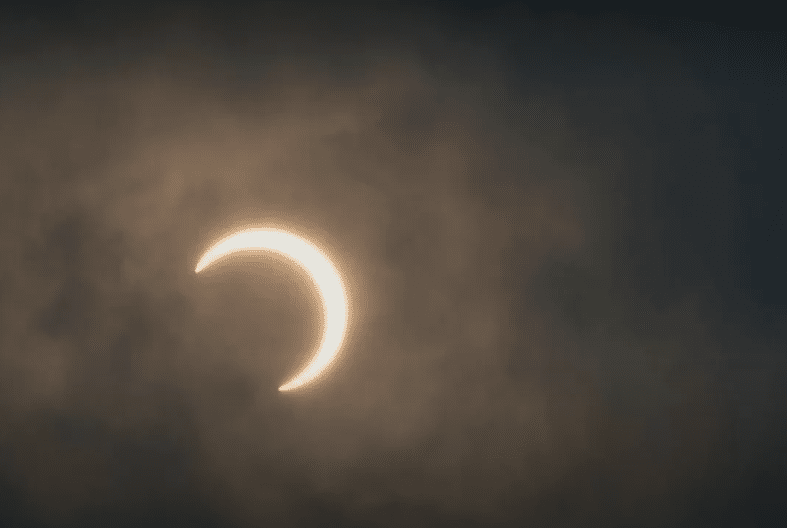
Hello darkness my old friend!
August is the month when the night truly returns to the far north – all summer the closest thing we’ve had to nighttime is “astronomical twilight”. True nighttime (when the sun is more than 18 degrees below the horizon) officially returns on 15 August in Ullapool – for a mere 5 minutes! But on the 16th, one day later, we get an hour and five minutes! So August is a month to enjoy the swift return of darkness and all that comes with it: skies filled with stars and the potential to admire the glowing arch of the Milky Way and beyond.
This year, however, August offers something even more remarkable. Within just over two weeks, we are treated to a trifecta of astronomical wonderment: a partial solar eclipse, the peak of the Perseid meteor shower and a partial lunar eclipse—three of the year’s finest astronomical events.
For anyone living in or visiting Northwest Scotland, there could hardly be a better month to look up.
Partial Solar Eclipse — 12 August
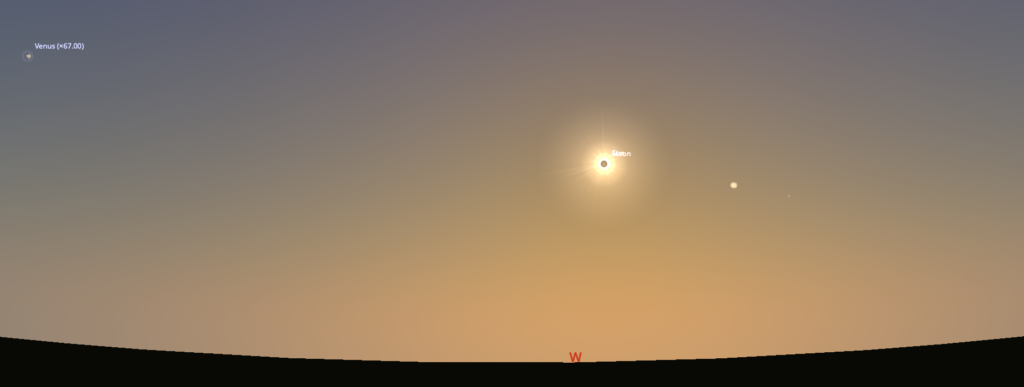
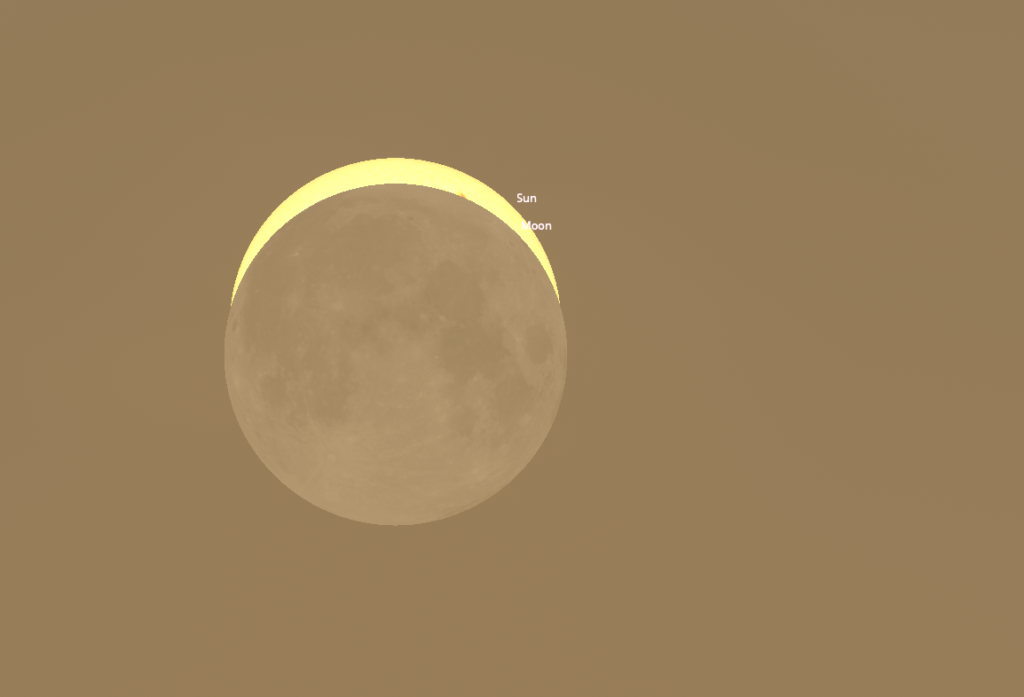
One of the astronomical highlights of 2026 occurs on Wednesday 12 August, when a partial solar eclipse will be visible across the UK.
From Northwest Scotland, the Moon will cover around 91% of the Sun’s disc, reaching maximum eclipse at approximately 7:00 pm. Although the Sun will never be completely hidden, the effect will be dramatic as the landscape takes on an unusual quality of light and the Sun becomes a brilliant crescent hanging above the western horizon. If the skies are particularly clear, you may even see Venus to the left of the eclipse and Saturn and Mercury to the right.
A partial eclipse of this magnitude is an unforgettable sight—to observe safely, order yourself a pair of inexpensive certified solar-eclipse glasses. Ordinary sunglasses provide no protection and are not safe for solar viewing.
Peak of the Perseid Meteor Shower – 12-14 August
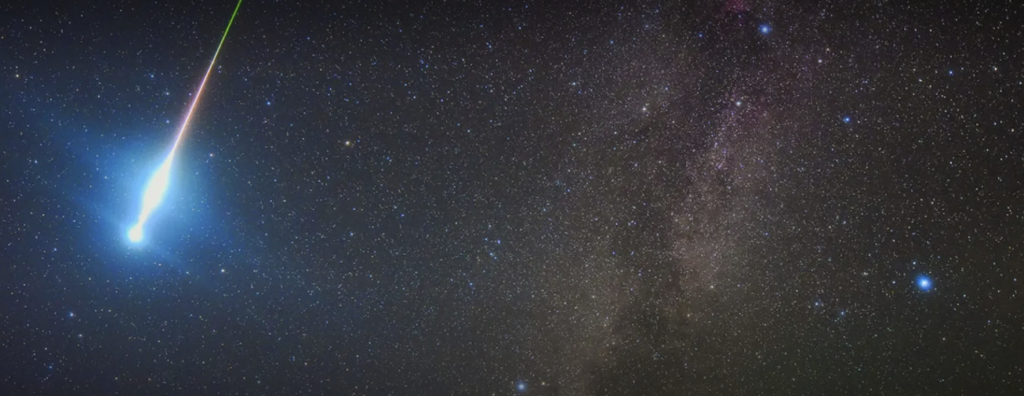
Clear skies permitting, the 12th could offer a double whammy for the sky curious. The 12th also corresponds to the peak of the Perseid Meteor Shower, a great reason to stay up past your bedtime. The Perseids are among the finest meteor showers of the year, producing bright, fast-moving meteors as Earth passes through debris left behind by Comet Swift–Tuttle.
This year’s peak on the mornings of 12th , 13th & 14th of August, between midnight and 2am, will not be affected by moonlight as the moon is new on 12th. The brightest Perseids often leave glowing trails across the sky and remain well worth watching. Under the clear, dark skies of Northwest Scotland, patient observers should still enjoy an impressive celestial display after midnight.
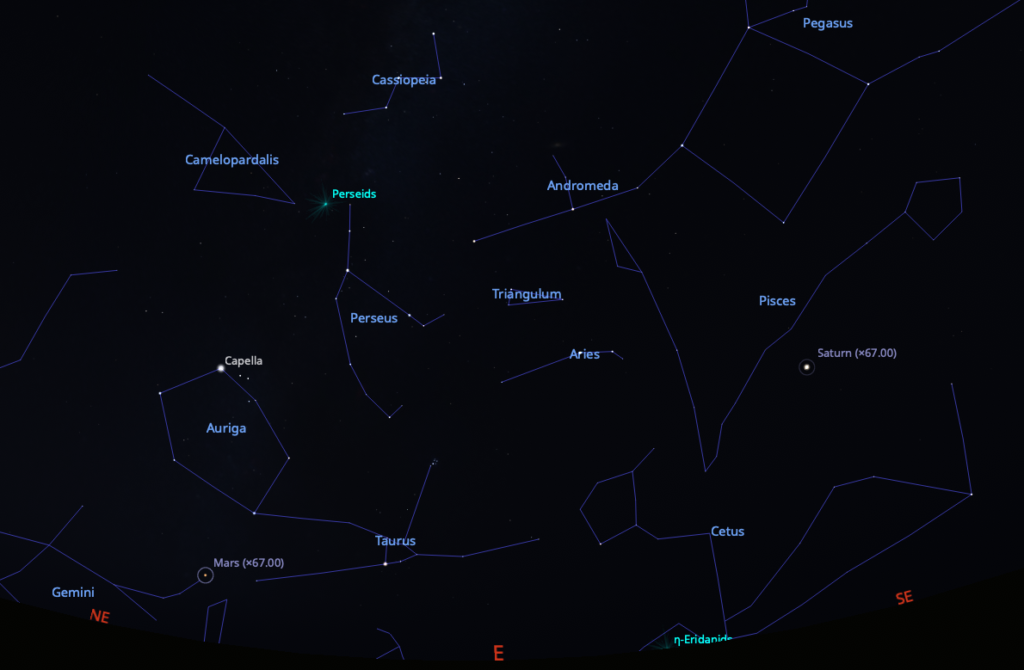
No telescope is required—simply find a comfortable place to lie back, let your eyes adjust to the darkness and enjoy nature’s own fireworks.Look towards the North-east after midnight, you can use Cassiopeia to find the radiant point as shown below.
Partial Lunar Eclipse — 28 August
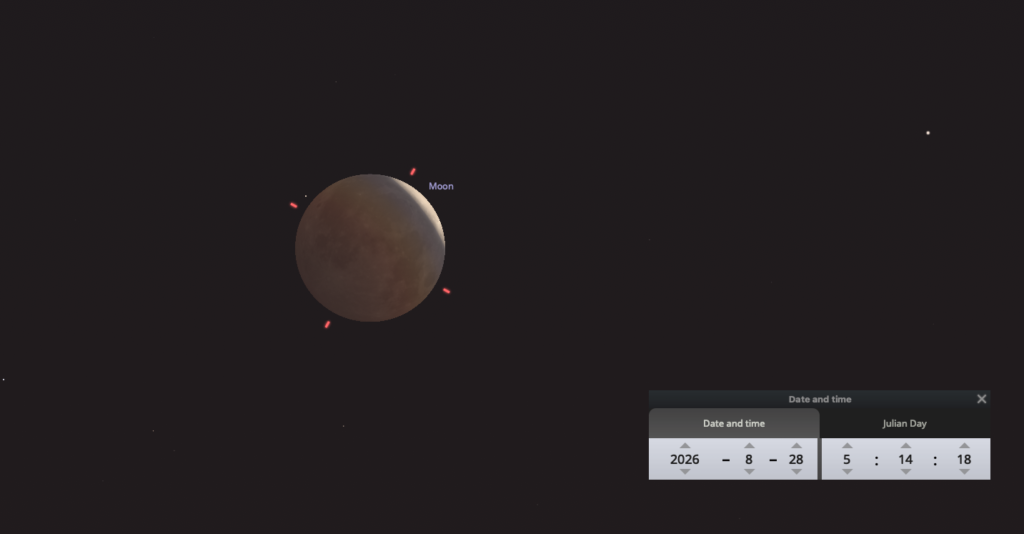
Fun fact about solar eclipses: you always get a lunar eclipse about two weeks later. This is due to the alignment of earth, moon, and sun – so during a solar eclipse, the moon casts a shadow over the earth, but during a lunar eclipse, the earth casts a shadow over the moon. Or another way of looking at it is that a solar eclipse occurs during a ‘new’ moon and a lunar eclipse occurs during a ‘full’ moon. So thanks to that solar eclipse on the 12th, we’ll have an opportunity view a 96% partial lunar eclipse on the early morning of 28 August. As the Moon passes almost completely into Earth’s shadow, much of its surface will darken and may take on the familiar coppery or reddish hues usually associated with a total lunar eclipse.
Even though a narrow sliver of the Moon remains outside the deepest shadow, a 96% eclipse is visually spectacular and promises to be one of the finest lunar events for several years. In Northwest Scotland, the eclipse begins at 2:23am and lasts a whopping 4 hours (when the moon sets), so another great reason to stay up late. And unlike a solar eclipse, a lunar eclipse is completely safe to observe with the naked eye, binoculars or a telescope, so a perfect event for families.
Combined with the meteor shower, solar eclipse, and the potential for some exhilarating star party sleepovers, this month is a great time to stay up late and get kids excited about the solar system and wider cosmos.
Leave a Reply